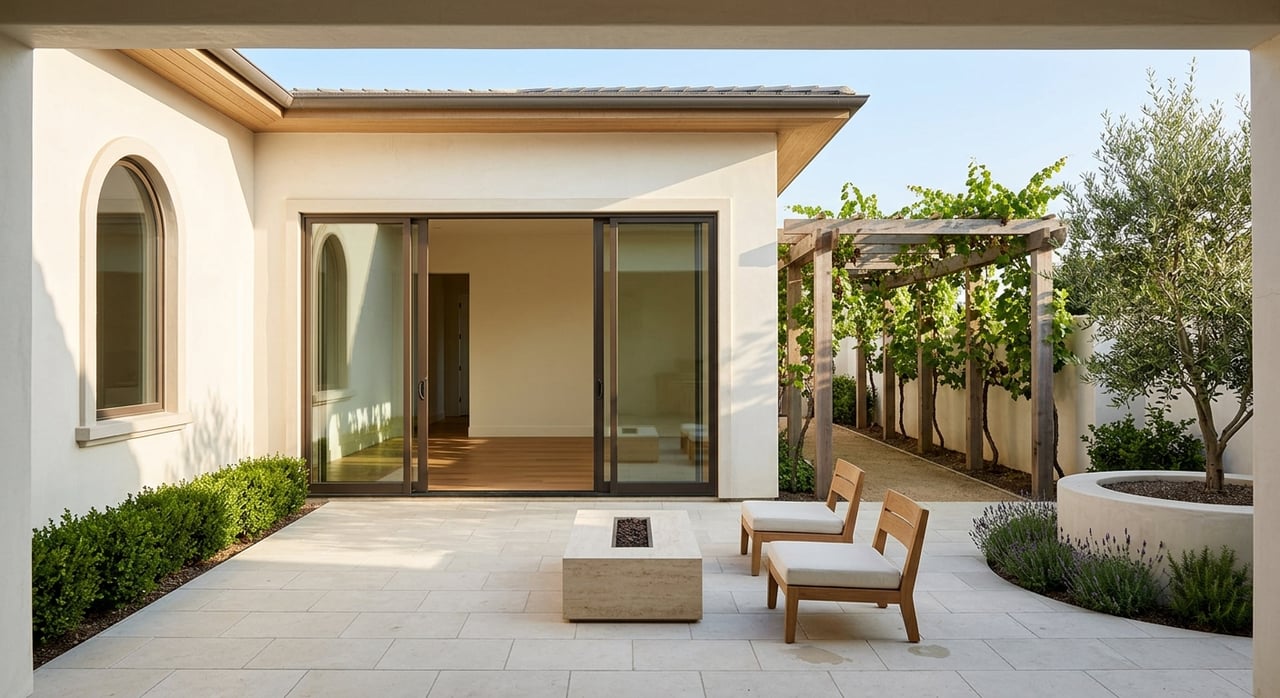
Living Among The Vineyards In Livermore
Are you dreaming of wine-country scenery without giving up everyday convenience? Livermore offers a version of that lifestyle that feels both relaxed and practical, with vineyards, open space, downtown amenities, and commuter connections all in one place. If you are wondering what it is really like to live among the vineyards in Livermore, this guide will help you understand the setting, the housing, and the tradeoffs. Let’s dive in.
Livermore has a strong identity tied to wine, agriculture, and open land. The City of Livermore describes it as California’s oldest wine region, and local wine history traces back to the 1840s with the first wineries established in 1883. That long history still shapes how the city looks and feels today.
You also see that identity in the land itself. City sources point to climate, soils, terrain, and geography that support both biodiversity and working lands suited to winemaking. In practical terms, that means vineyard views are not just a marketing image here. They are part of the real landscape.
Livermore also stands apart because it blends wine-country character with suburban function. As the easternmost city in the Bay Area, it offers a milder setting shaped by wineries, ranches, and farmland, while still functioning as a full-service city with jobs, shopping, and daily conveniences.
If you want the strongest vineyard setting, focus on the south side of Livermore. The South Livermore Valley Specific Plan covers about 1,891 acres along the city’s southern boundary and is centered on conserving agricultural and natural resources. That planning framework helps preserve the rural edge many buyers are looking for.
The South Livermore Valley Wine Trail is the heart of that experience. City planning materials describe this area as a rural corridor connected by roads like Greenville Road, Isabel Avenue, East Vineyard Avenue, and Vallecitos Road. Along those routes, you move through vineyards, orchards, and open space rather than dense urban development.
That does not mean every home in Livermore feels rural. The city offers a range of environments, from conventional suburban neighborhoods to homes closer to open land and vineyard corridors. Your experience can vary a lot depending on exactly where you buy.
Livermore is not an entry-level wine-country market. Recent housing data places typical home values at $1,125,610, while Redfin reports a median sale price of $1,149,312 for the three months ending May 2026. Realtor.com also characterizes Livermore as a seller’s market, with a median listing price of about $1.10 million.
Homes also tend to move quickly. Redfin reports an average market time of 11 days, and Zillow shows a median days-to-pending figure of 13 days. If you are buying, that can mean needing to act with clarity and preparation. If you are selling, it suggests strong demand, especially for well-positioned homes.
The most important pricing detail is how much values can vary by subarea. Realtor.com shows South Livermore at roughly $2.39 million median listing price, compared with about $819,000 in Downtown Livermore and about $849,000 in Isabel. That spread shows that vineyard-adjacent living often comes at a premium, especially where larger lots, rural edges, and estate-style settings are part of the appeal.
Living near the vineyards in Livermore is about more than occasional wine tasting. The city says there are more than forty wineries within minutes of downtown, which makes wine culture part of normal life rather than a once-a-year activity. You can enjoy that atmosphere while still staying connected to regular errands and routines.
Downtown plays a big role in that balance. The City of Livermore highlights dining, shopping, movie-going, performing arts, museums, and the Ravenswood Historic Site. That means your weekends can shift easily between a tasting room stop, a downtown dinner, and a local event.
The annual calendar adds even more to the lifestyle. City information points to rodeo festivities, wine festivals, and a weekly farmers market, while the Livermore Valley Winegrowers Association schedules recurring events like Wine Wednesday, Livermore Valley Wine Month in May, and TASTE: The Livermore Valley Wine Experience in October. These events reinforce that wine is woven into the city’s social rhythm.
One of Livermore’s biggest advantages is that wine-country living here does not require a resort-town mindset. The city describes Vasco Row as a craft-beverage destination just five minutes from downtown. That helps explain why Livermore feels more flexible than some buyers expect.
You can have access to vineyard scenery and tasting rooms while still living in a place designed for daily life. Grocery runs, school drop-offs, appointments, and commuting can all fit into the same week as trail outings and winery visits. For many buyers, that mix is exactly what makes Livermore stand out.
This balance can be especially appealing if you want character without isolation. Some wine-country markets feel removed from job centers and everyday convenience. Livermore offers a more grounded version of that experience.
The vineyard lifestyle in Livermore also connects closely with outdoor recreation. City resources emphasize sidewalks, bike lanes, and multi-use paths across the community. That supports an active routine that goes beyond driving from one destination to another.
The South Livermore Valley Trail extension is designed to connect the South Livermore Valley Wine Trail, Isabel Trail, and Arroyo Mocho Trail into a loop. That kind of connectivity matters if you picture weekends that include walking, biking, or hiking alongside open-space views. It adds another layer to the lifestyle beyond the wineries themselves.
For many residents, the draw is the combination. A typical day off might include trail time in the morning, a downtown stop in the afternoon, and a tasting-room visit later on. Livermore supports that kind of variety well.
The main tradeoff with living among the vineyards in Livermore is commuting. Interstate 580 is the city’s primary freeway, running west toward the Bay Area and east toward the Central Valley. Alameda CTC describes I-580 as a critical east-west corridor, and the region still faces long travel times, service gaps, and limited access to BART and ACE stations.
There are transportation options, but they usually involve connections. The City of Livermore notes that ACE serves downtown Livermore and Vasco Road, while Wheels provides links to BART, ACE, and neighboring cities. Wheels Route 580X runs express service from the Livermore Transit Center to Dublin/Pleasanton BART, and Route 10R also connects the Livermore Transit Center with Dublin/Pleasanton BART.
BART does not currently extend into Livermore itself. BART service reaches as far east as Dublin/Pleasanton, so trips to Oakland, Hayward, and Berkeley often involve a drive west or a bus-to-BART transfer first. For some buyers, that is a manageable compromise. For others, it is a key factor in choosing the right neighborhood and home base.
Living near the vineyards in Livermore can make sense if you want a home that feels more scenic and spacious while staying connected to the East Bay. It is a strong fit for buyers who value open space, local wine culture, and the ability to move between suburban routines and weekend recreation without leaving town.
It can also work well if you are comparing Livermore with denser Bay Area locations and want a different pace. The city combines established neighborhoods, premium pockets, and a distinct agricultural backdrop. That gives you more lifestyle variety than you might expect from a suburban market.
The key is understanding your priorities. If you want the strongest vineyard setting, South Livermore may be the natural place to focus. If you want a lower entry point with continued access to downtown and the broader Livermore lifestyle, central areas like Downtown Livermore or Isabel may offer a different kind of value.
If you are thinking about buying or selling in Livermore, a neighborhood-level strategy matters. The right guidance can help you weigh lifestyle goals, commute needs, and pricing differences across the city. To start the conversation, reach out to McGuire Olson Real Estate for a complimentary market consultation.


McGuire Olson Real Estate are responsive, enthusiastic, and professional. They have built a solid reputation and a vast network of local connections to aid and assist their clients in every aspect of their transactions.
Tim McGuire | CA DRE# 01349446
[email protected]
Lori Olson | CA DRE# 02004247
[email protected]
925.517.MORE (6673)
900 Main St STE #101 Pleasanton CA 94566