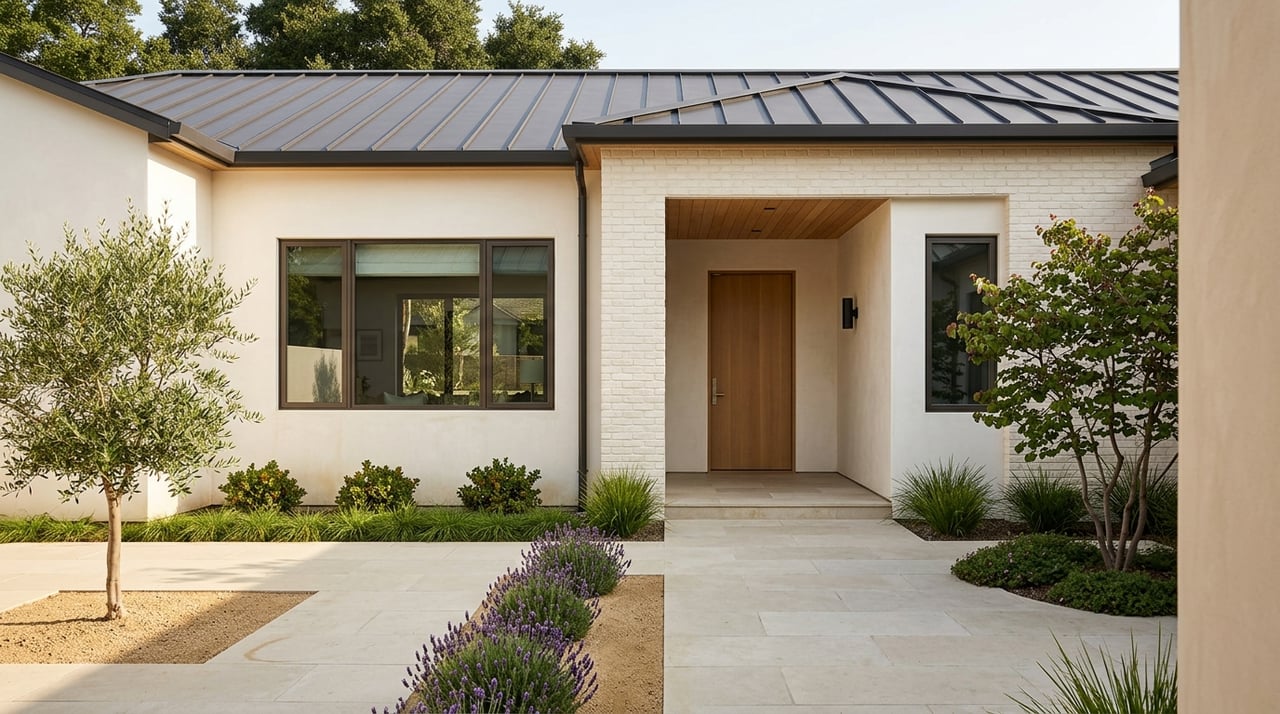
Downsizing From An Alamo Estate Without Losing Comfort
If you have spent years building a life in an Alamo estate, the idea of downsizing can feel surprisingly complicated. You may want less upkeep and more flexibility, but you do not want to give up comfort, style, or the financial advantages you have earned along the way. The good news is that in today’s East Bay market, downsizing can be a lifestyle upgrade when you plan it carefully. Let’s look at how to make a move from Alamo feel lighter, simpler, and still very much like home.
Downsizing in Alamo is not the same as downsizing in most markets. According to U.S. Census QuickFacts and Contra Costa County information for Alamo, the area has a heavily owner-occupied housing base, a median home value above $2 million, a median household income above $250,000, and a population where 25.0% of residents are age 65 and older.
That combination matters because many local homeowners are not downsizing out of necessity. Instead, you may be looking to reduce maintenance, simplify daily life, and free up equity while staying in a home that still feels spacious and well-suited to your next chapter.
The market also supports thoughtful transitions. Redfin’s Alamo housing market data shows a March 2026 median sale price of about $2.85 million, with homes averaging just 9 days on market. For many sellers, that creates a strong starting point for a move that prioritizes comfort rather than compromise.
Before you think about square footage, think about how you want to live. Comfort after downsizing usually has less to do with size and more to do with convenience, layout, privacy, and how much day-to-day work your home requires.
You may decide that comfort means single-level living, less yard maintenance, newer systems, or a lock-and-leave setup for travel. For someone else, it may mean keeping a guest room, space for hobbies, or enough room to host family without managing a large estate year-round.
A helpful way to define your priorities is to separate them into two lists:
This simple exercise can keep you from mistaking a smaller home for a lesser lifestyle. In many cases, the right move gives you more usable comfort with less physical and financial effort.
One of the biggest advantages of downsizing from Alamo is that you have several nearby options. If you want to stay in the East Bay or Tri-Valley, you can often find a lower-maintenance home while remaining close to familiar services, social circles, and routines.
Bay East city statistics and Bay East attached-home reports show a wide spread in pricing between Alamo and nearby communities. That makes it easier to compare not just cost, but also the tradeoff between upkeep and lifestyle.
A smaller detached home can be a strong fit if you still want privacy, outdoor space, and separation from neighboring homes. This option often appeals to sellers who want less house to maintain, but are not ready for shared walls or HOA-heavy living.
In March 2026 snapshots, detached-home medians were about $1.5 million in San Ramon, $1.892 million in Danville, $1.4 million in Pleasanton, and $830,000 in Walnut Creek, compared with roughly $2.85 million in Alamo. Depending on your goals, that difference can open the door to a home that still feels substantial while reducing both upkeep and carrying costs.
If your goal is to simplify as much as possible, a condo or townhome may be worth serious consideration. Attached-home median sale prices in late 2025 were about $667,500 in Walnut Creek, $710,000 in San Ramon, $826,000 in Pleasanton, and $948,500 in the Danville, Diablo, and Alamo report area.
That price range can be attractive, but the bigger lifestyle benefit is often reduced maintenance. For many homeowners, giving up a large yard, extensive exterior upkeep, and ongoing repair coordination is exactly what makes downsizing feel freeing rather than limiting.
Some downsizers are not looking for the lowest price point. They want a home that still feels elevated, but with less work attached to it.
That might mean a well-designed townhome, a newer residence with updated systems, or a smaller detached property in a nearby East Bay location. The right fit depends on whether your top priority is convenience, privacy, entertaining space, or travel flexibility.
For many Alamo homeowners, property taxes are one of the biggest questions in a downsizing move. California’s Board of Equalization overview of Proposition 19 explains that homeowners age 55 or older, severely disabled homeowners, and certain disaster victims may transfer the base-year value of a principal residence to a replacement home if eligibility and timing requirements are met.
This can be a major planning advantage. If the replacement home is of equal or lesser value, your original taxable value may transfer without adjustment. If the replacement home costs more, the excess value is added to the transferred base-year value.
The timing rules are critical. According to the BOE’s Prop 19 guidance, one transaction must occur on or after April 1, 2021, and the original home must be sold within two years of the replacement purchase. The original home must also be your principal residence.
Because of those rules, your decision to buy first or sell first should not be made casually. A well-timed strategy can help you protect tax advantages while lowering stress during the move.
If you move into a condo, townhome, or planned community, monthly dues become part of the equation. The Consumer Financial Protection Bureau notes that HOA dues may be required in some neighborhoods, are usually paid directly to the association, and can range from a few hundred dollars per month to more than $1,000.
That does not automatically make them a negative. In many cases, those dues cover services and responsibilities that replace work you are currently handling yourself, such as landscaping, exterior maintenance, or common-area upkeep.
The key is to compare total monthly housing cost, not just mortgage payment or purchase price. A home with HOA dues may still feel more comfortable financially if it also reduces maintenance surprises, labor, and time spent managing a large property.
Selling a larger home while planning a downsize can feel emotionally heavy. That is normal. AARP’s downsizing guidance recommends treating the move as a thoughtful life decision, recognizing feelings like grief or anxiety, and giving yourself enough time to avoid rushed choices.
A practical way to begin is to start with the least emotional spaces first. Utility areas, storage rooms, and guest spaces are often easier places to sort, donate, and simplify before moving on to more personal rooms.
AARP also recommends decluttering room by room, avoiding a large “maybe” pile, and bringing in help when needed. If the process starts to feel too large, support from family or a move manager can make a real difference.
When preparing a large Alamo home for market, the goal is not to over-improve. It is to make the home feel clean, cared for, and easy for buyers to picture themselves in.
The National Association of Realtors 2025 Profile of Home Staging found that 83% of buyers’ agents said staging helps buyers visualize a property as a future home. The living room, primary bedroom, and kitchen ranked as the most important rooms to stage.
The same report found that sellers’ agents most often recommended:
For many estate properties, these improvements create more impact than expensive remodeling. Neutral rooms, fewer furnishings, touch-up paint, polished outdoor areas, and strong visual presentation usually do more to support market appeal than highly customized upgrades.
Because Alamo is unincorporated, county departments handle code enforcement and land-use matters rather than a city government. As noted by Contra Costa County’s Alamo community page, this can matter if your property needs exterior repairs, drainage work, or permit-sensitive improvements before listing.
That may not affect every seller, but it is worth addressing early if your home has deferred maintenance or prior changes that could raise questions during the sale process. Planning ahead helps avoid delays once your home is on the market.
A comfortable downsize is rarely about fitting your current life into less space overnight. It is about deciding what you want to bring forward and what you are ready to release.
AARP’s moving guidance also suggests using a floor plan to see what will actually fit in the next home. That one step can save you from moving furniture you do not need and help you make confident decisions before moving day.
If you are moving from a large estate, consider this sequence:
With the right plan, downsizing does not have to mean losing comfort. It can mean less maintenance, more flexibility, and a home that better supports how you want to live now.
If you are weighing your options in Alamo or nearby Tri-Valley communities, McGuire Olson Real Estate can help you evaluate timing, pricing, and the best path to a right-sized move with a concierge-level approach.

McGuire Olson Real Estate are responsive, enthusiastic, and professional. They have built a solid reputation and a vast network of local connections to aid and assist their clients in every aspect of their transactions.
Tim McGuire | CA DRE# 01349446
[email protected]
Lori Olson | CA DRE# 02004247
[email protected]
925.517.MORE (6673)
900 Main St STE #101 Pleasanton CA 94566