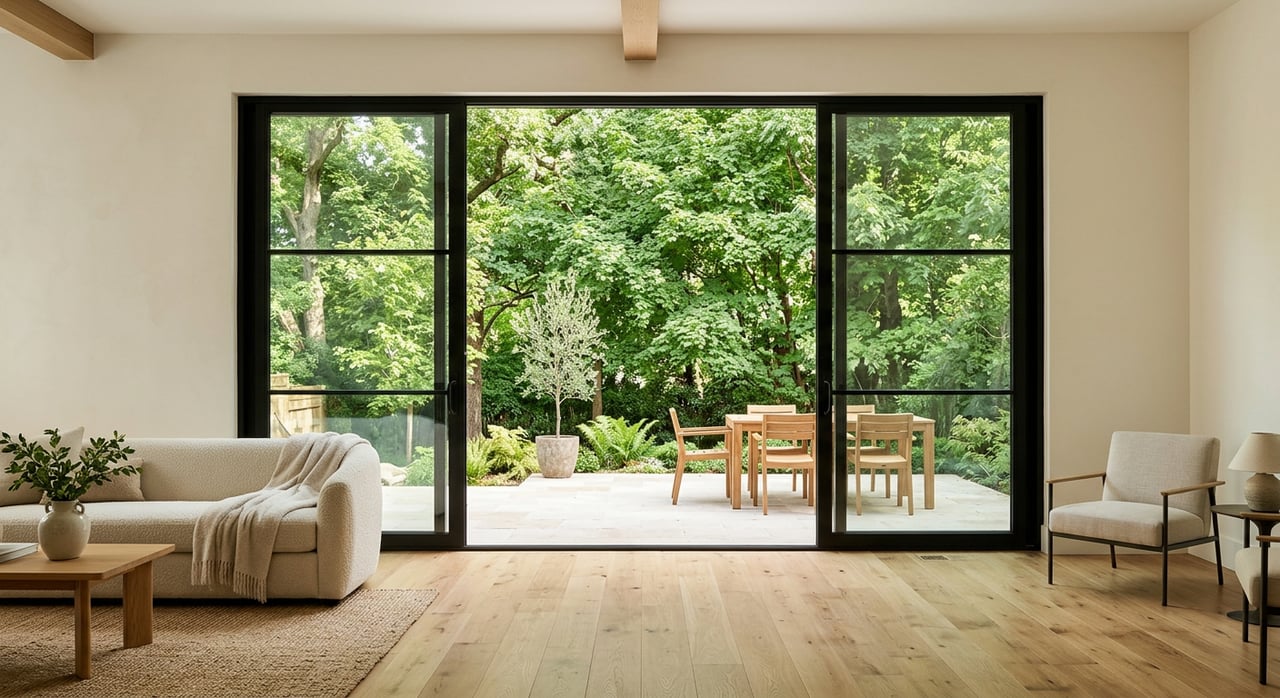
Relocating to Pleasanton and the Tri-Valley from Silicon Valley
Thinking about trading a Silicon Valley address for more space, a vibrant downtown, and easier access to the outdoors? If Pleasanton and the broader Tri-Valley are on your shortlist, you’re not alone. Many Bay Area professionals make this move to balance work, life, and long-term value. In this guide, you’ll get a clear look at commutes, housing, employers, lifestyle, taxes, and a step-by-step plan to relocate with confidence. Let’s dive in.
Pleasanton sits in the East Bay’s Tri-Valley, alongside Dublin, Livermore, San Ramon, and Danville. You get a suburban pace with strong neighborhood identity, a lively historic downtown, and quick access to regional parks and trails. It feels different from denser South Bay cities while keeping you connected to the broader Bay Area.
Economic fundamentals are strong. According to the latest U.S. Census QuickFacts for Pleasanton, median household income is roughly $190,000, and the mean commute time is about 34 minutes. Owner-occupancy rates are high, which often translates to well-kept properties and a stable housing base. Many buyers also note the local school systems as a key factor in their decision to move east.
Relocating is easier when you have multiple ways to get to work. From Pleasanton, you can drive, take BART, use ACE commuter rail with shuttles, or mix modes on hybrid schedules.
The main corridors are I-580 east-west and I-680 north-south. These are among the region’s most heavily used commuter routes, and peak congestion is a known factor. A regional economic analysis details these patterns and the strong commuter flows into larger job centers around the Bay Area. You can review the context in the Tri-Valley economic report.
Express lanes operate on key stretches of both corridors. If you use FasTrak, the I-580 and I-680 express lanes can improve reliability, especially for carpoolers or single drivers willing to pay tolls during busy hours. Rules vary by segment and time of day, so check the operator’s guidelines before your first commute.
BART is a practical option for trips to Oakland and San Francisco. The system’s Dublin/Pleasanton terminus and the West Dublin/Pleasanton station provide direct rail access. See the Dublin/Pleasanton BART station page for schedules, parking, and fare info. Many hybrid workers park at BART for in-office days and keep a flexible rhythm the rest of the week.
If your office is in San Jose or near Diridon Station, the Altamont Corridor Express can be a helpful option on its weekday schedule. Local bus connections support last-mile travel. The Wheels network offers targeted resources for rail riders; review the ACE commuter connections from Wheels to plan your route.
A major project on the horizon is Valley Link, a new rail connection planned to bridge Dublin/Pleasanton BART to eastern Tri-Valley and San Joaquin County. Once built, it will add another way to move across the region. Track milestones on the Valley Link project page.
The Census mean commute time for Pleasanton is about 34 minutes, which is a useful baseline. Your door-to-door time during peak hours can be longer, especially if you drive over the Sunol Grade on I-680 or connect from I-580 to South Bay routes. Durations vary by departure time, route choice, and whether you can leverage express lanes or park-and-ride options. The Tri-Valley economic report highlights the region’s congestion patterns, which is helpful context for setting expectations.
You do not have to work in Santa Clara County to build a strong career from Pleasanton. The Tri-Valley hosts Lawrence Livermore National Laboratory and Sandia in Livermore, Workday in Pleasanton, and large corporate presences such as Chevron in San Ramon, Ross Stores in Dublin, and Kaiser Permanente. LLNL alone employs several thousand people in high-skill roles, according to the lab’s By the Numbers page.
This mix shapes how people relocate. Some buyers find new roles closer to home in engineering, research, health care, operations, and professional services. Others keep a hybrid schedule tied to Silicon Valley or San Francisco and rely on BART, ACE, or express lanes for in-office days.
If you are moving from core Silicon Valley cities, Pleasanton typically offers more interior and yard space for a given budget. Early 2026 indicators suggest single-family homes often trade in the low-to-mid $1 million range, with higher prices in premium neighborhoods. Zillow’s late February 2026 snapshot showed a median list price around $1.41 million for Pleasanton, while other sources placed medians roughly in the $1.4 to $1.7 million band depending on the metric and date.
Prices in central Silicon Valley cities like Mountain View or Palo Alto are generally higher than Pleasanton on a per-home basis, while San Jose trends closer but still varies by neighborhood and home type. The important takeaway is to set your budget by home type and neighborhood, then confirm the latest figures before you write an offer.
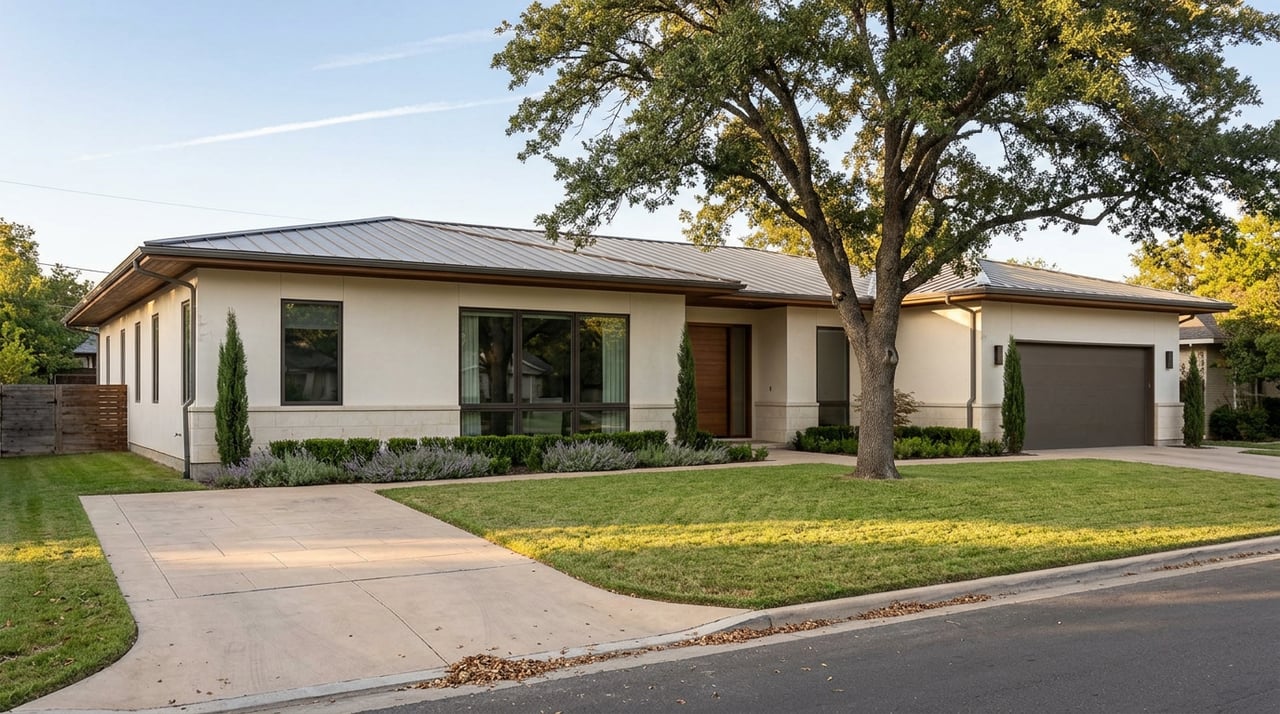
Pleasanton’s core housing stock is single-family homes across established neighborhoods and larger planned communities. You will find classic downtown cottages and bungalows near Main Street, mid-century homes in tree-lined areas, and larger options in master-planned enclaves like Ruby Hill. Closer to shopping and transit, you will also see a smaller but steady supply of townhomes and condos that appeal to buyers seeking lower maintenance.
The downtown district adds a distinct lifestyle layer with dining, coffee, boutiques, and a year-round Saturday farmers’ market. The Alameda County Fairgrounds, just a few minutes from downtown, hosts the annual county fair and a busy roster of events throughout the year. For many buyers, these amenities create a true “park once and enjoy” weekend routine.
The Tri-Valley is ringed by open space, which is a big shift from denser South Bay neighborhoods. Popular options include the Iron Horse Regional Trail for cycling and commuting, the Pleasanton Ridge for sweeping hikes, and nearby lakes for paddling and picnics. Explore the regional trail maps through the East Bay Regional Park District to get a feel for routes and access points.
Wine country is another perk. Livermore Valley wineries are a short drive, so you can plan tastings, live music, and family-friendly events without a long day trip. Between parks, trails, sports fields, and vineyard afternoons, weekends tend to feel full but close to home.
California property tax is anchored by Proposition 13. The base levy is 1 percent of assessed value, and the actual bill is typically higher after voter-approved local bonds and assessments are added. For a clear primer, see the Legislative Analyst’s Office overview of the California property tax system.
When you are modeling monthly costs, include property tax and any HOA dues alongside principal and interest. To review parcel-specific details and current rates by Tax Rate Area, use the Alameda County property tax lookup.
A well-run move from Silicon Valley to Pleasanton follows a simple, proven sequence. Here is a playbook you can adapt to your timeline.
When you are relocating, the right partner protects your time and your budget. You deserve clear neighborhood guidance, strategic offer advice, and a systemized process from search to closing and beyond. If you are exploring Pleasanton, Dublin, Livermore, San Ramon, or Danville, the team-based, concierge approach from McGuire Olson Real Estate makes the move easier and the outcome stronger. Request a complimentary market consultation, and let’s map your next step with confidence.



McGuire Olson Real Estate are responsive, enthusiastic, and professional. They have built a solid reputation and a vast network of local connections to aid and assist their clients in every aspect of their transactions.
Tim McGuire | CA DRE# 01349446
[email protected]
Lori Olson | CA DRE# 02004247
[email protected]
925.517.MORE (6673)
900 Main St STE #101 Pleasanton CA 94566