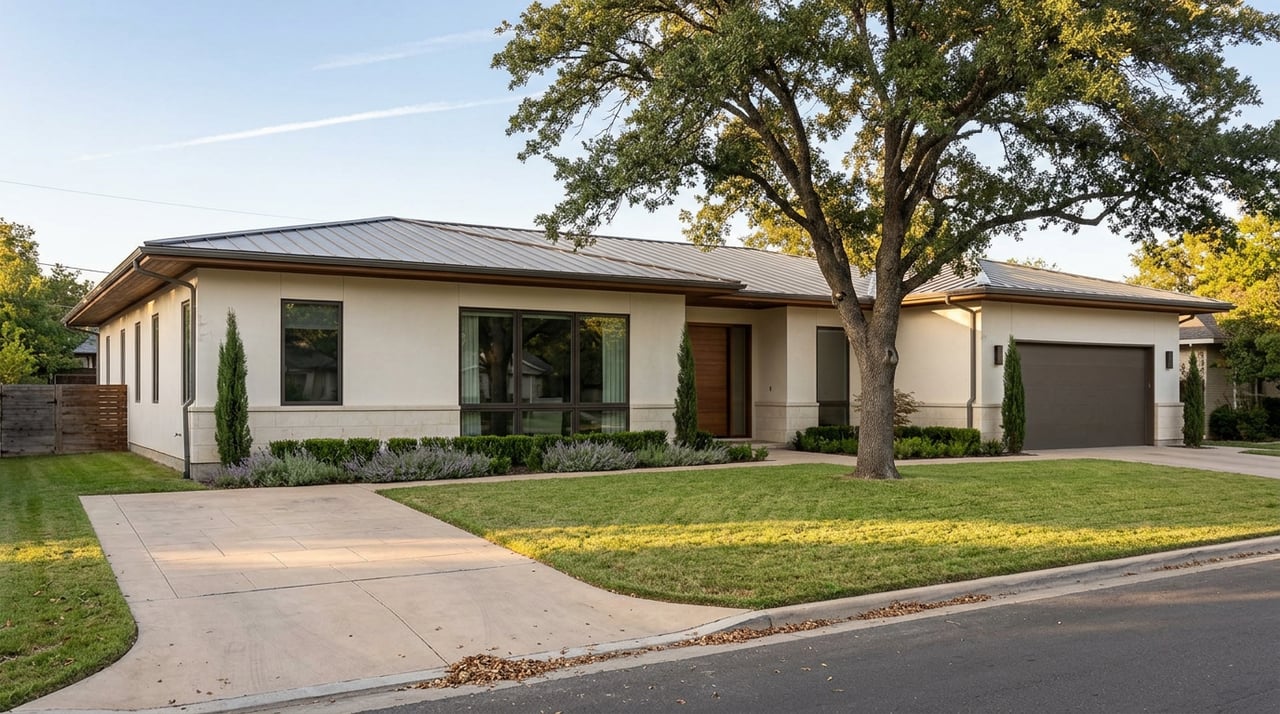
You found a home you love in Danville. Now you are weighing which contingencies to include so your offer stands out without putting your deposit at risk. It is a common challenge in a market where multiple offers and tight timelines are normal. The good news is you can protect yourself and still compete.
This guide explains inspection, appraisal, and loan contingencies in plain language, how they play out in competitive Danville offers, and smart ways to balance risk and strength. You will see what is typical locally and how to tailor a strategy that fits your comfort level and budget. Let’s dive in.
Why contingencies matter in Danville
Danville sits in a high-demand, higher-price East Bay market with strong commuter access and school options that many buyers prioritize. Inventory often runs lean, which leads to frequent multiple-offer situations. In that environment, sellers tend to prefer offers that feel certain to close.
You still need protection against big unknowns. Contingencies give you time to investigate the home, confirm value with the lender, and secure financing. Shortening or waiving them can make your offer more attractive, but it also shifts more risk to you. Your goal is to find the right mix for the specific property and your financial comfort.
What each contingency does
Inspection contingency
- Purpose: Gives you time to inspect the property and approve its condition.
- How it works: During the inspection period, you schedule general and specialty inspections such as pest, roof, sewer, or HVAC. If you are not satisfied, you can request repairs or credits, negotiate changes, or cancel within the period per the contract and recover your deposit.
- Local practice in competitive offers: Many buyers shorten the inspection window, sometimes to 5 to 7 days. Some limit requests to major systems or health and safety items. Others write “as-is” regarding repairs while keeping the right to inspect and cancel within the contingency period. Fully waiving the inspection contingency removes that protection and is a higher-risk choice.
Appraisal contingency
- Purpose: Protects you if the appraised value is lower than the purchase price.
- How it works: If the appraisal comes in low, you and the seller can renegotiate the price, you can bring in cash to cover the difference, or you can cancel if the contract allows. Lenders will not lend above the appraised value regardless of contingency choices.
- Local practice in competitive offers: Buyers often include a capped appraisal gap, promising to cover a specific dollar amount or percentage above the appraised value. Others shorten the appraisal timeline or waive the appraisal contingency entirely, which increases risk if the appraisal falls short.
Loan contingency
- Purpose: Allows you to cancel and recover your deposit if you cannot obtain financing on the agreed terms within the contingency period.
- How it works: The contract defines acceptable loan terms and timelines. If you cannot secure lender approval within that window and you have not removed the contingency, you can cancel under the contract.
- Local practice in competitive offers: Sellers favor buyers with fully underwritten pre-approvals or near clear-to-close status. Some buyers shorten the loan contingency, which can work well when the lender has already completed most underwriting.
Strategies to stay competitive and protected
- Get fully underwritten before you write. A complete lender file signals strength and supports shorter loan timelines.
- Shorten, do not eliminate, when possible. A 5 to 7 day inspection period can be enough with pre-scheduled inspectors. A shorter appraisal period can also help.
- Use capped appraisal gap coverage. Commit to cover a specific gap so the seller has confidence, while you maintain protection beyond your cap.
- Limit repair requests to material issues. Signal that you will not nitpick minor items while preserving your right to address major concerns.
- Stage earnest money thoughtfully. A larger deposit shows commitment. Keep it refundable until contingencies are removed, unless you intentionally agree to a different structure.
- Offer flexibility on closing or leaseback. Aligning with the seller’s preferred timeline can boost your position without adding risk.
Typical timelines in California offers
Timeframes depend on the contract and negotiation, but these ranges are common in local practice:
- Inspection contingency: 7 to 17 days in many cases, with competitive offers sometimes at 3 to 7 days.
- Appraisal timing: Often concurrent with the loan process, typically within 7 to 14 days after ordering.
- Loan contingency: Often 14 to 21 days, with shorter periods possible if you are pre-underwritten.
Remember, earnest money is generally refundable while contingencies are active. If you remove contingencies and then cancel without contract grounds, your deposit could be at risk. Put every change in writing and follow the contract’s process for removal or extension.
Smart offer structure in Danville
Start by assessing the property, the seller’s priorities, and how competitive the field appears. Then build an offer that matches your risk tolerance and the market signal the seller wants.
- If competition is intense: Consider a 5 to 7 day inspection period, a short appraisal timeline, a capped appraisal gap, and a fully underwritten loan letter. Keep your right to cancel tied to your cap.
- If competition is moderate: Use mid-range timelines, an appraisal gap if needed, and a strong earnest money deposit with clear refund terms until contingencies are removed.
- If competition is light: Standard timelines may be acceptable. You can keep a full set of protections with less risk of being passed over.
Buyer checklist to plan with Lori
- Secure a full lender underwrite, not just a pre-qualification.
- Set your risk rules in advance. Decide what you will shorten and what you will not waive.
- Choose your appraisal strategy. Full waiver, capped gap, or standard contingency aligned to your cash reserves.
- Prepare proof of funds and a lender letter that confirms underwriting status.
- Line up inspectors so you can book immediately after acceptance and hit short timelines.
- Discuss earnest money structure. Consider a larger deposit that stays refundable until contingency removal.
- Map your contingency removal steps. Know who signs, how notice is delivered, and the exact dates.
- Clarify timing flexibility. Offer a closing window or possible leaseback if it helps the seller.
Professional precautions
Put any waiver or modification of contingencies in writing using the purchase contract or an addendum. Confirm timelines with escrow. Review mandatory seller disclosures carefully. If you are considering waiving a major protection, consult with your agent and lender, and consider independent legal advice so you understand the financial implications.
The bottom line for Danville buyers
Inspection, appraisal, and loan contingencies protect different risks. In Danville, sellers often favor shorter timelines and strong financing, but you do not have to give up safety to be competitive. With pre-underwriting, smart timing, and clear appraisal language, you can write an offer that moves fast and still protects your deposit.
Ready to align the right strategy to your goals and budget? Request a complimentary market consultation with Lori Olson to plan a contingency approach tailored to your next Danville offer.
FAQs
What are offer contingencies in Danville real estate?
- Contingencies are contract clauses that give you time to inspect the home, confirm value with the lender, and secure financing, while protecting your deposit if you cancel within agreed periods.
How does an inspection contingency protect me?
- It gives you a set number of days to complete inspections and approve the home’s condition, request repairs or credits, or cancel within the period and recover your deposit per the contract.
What is an appraisal contingency and why does it matter?
- If the appraisal is lower than the price, the appraisal contingency lets you renegotiate or cancel. Lenders will not lend above the appraised value, so this protects you from unexpected cash needs.
What is a loan contingency in California offers?
- The loan contingency lets you cancel and recover your deposit if you cannot obtain financing on the agreed terms within the timeline. Shorter periods work best when you are fully underwritten.
Should I waive contingencies to win in a multiple-offer situation?
- Not always. You can shorten timelines, add a capped appraisal gap, and show strong financing to stay competitive while keeping key protections aligned with your risk tolerance.