Thinking about buying in Blackhawk and wondering what those HOA fees actually cover? You’re not alone. In gated, amenity-rich neighborhoods, dues can be layered and vary a lot from street to street. This guide breaks down how HOA fees work in Blackhawk, what to look for in CC&Rs and HOA packets, and how to plan your budget and offer with confidence. Let’s dive in.
How HOA fees work in Blackhawk
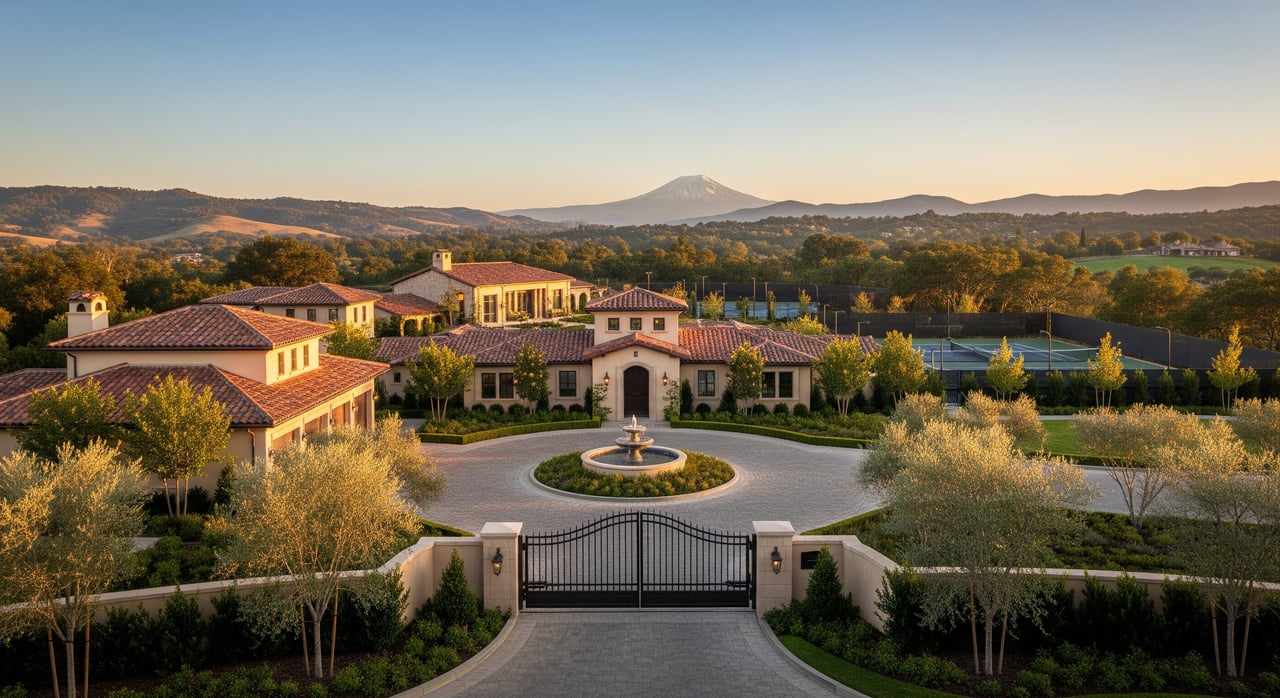
Blackhawk is a master-planned area with multiple gated sub-neighborhoods and shared amenities. That structure often means more than one monthly assessment and a separate set of rules to understand.
Multi-layer dues explained
- Sub-association dues: Cover neighborhood-level items within your tract or enclave.
- Master association dues: Fund shared systems like gates, private roads, patrols, and major common areas.
- Optional club fees: Country-club or golf memberships are separate contracts and not part of HOA dues.
Variation across neighborhoods
Dues and rules vary by sub-association, whether roads are private, and the amenities offered. Two similar homes in Blackhawk can have very different HOA structures, so always verify the exact fees and inclusions for the specific property.
California rules and owner rights
HOAs in California operate under the Davis–Stirling Common Interest Development Act, which sets the framework for CC&Rs, assessments, disclosures, meetings, and reserves. Your rights to receive key disclosures and review records come from this law.
What your dues typically cover
In gated Blackhawk communities, HOA dues often include:
- Gate operations, patrols, and security services
- Common-area landscaping, irrigation, and tree care
- Maintenance of private roads, sidewalks, and signage within the HOA
- Community amenities like pools, fitness rooms, clubhouses, parks, and trails
- Common-area lighting and management company fees
- Insurance for common areas and the master policy (scope varies by association)
- Reserve funding for capital repairs such as paving or pool replacements
What they usually do not cover
- Interior repairs and most in-home utilities
- Your individual homeowners or HO-6 policy
- Optional country-club or golf memberships
- Special assessments for major projects or deferred maintenance
The main cost drivers
Dues rise when communities offer more amenities and require more staffing and upkeep. In Blackhawk, common drivers include:
- Level of amenities, including multiple gates and pools
- Private roads and complex infrastructure
- 24/7 gate attendants or on-site maintenance staff
- Reserve funding targets and upcoming capital projects
- Bay Area contractor and labor costs
- Insurance premiums for common areas
Master-level gated communities often charge several hundred dollars per month, and sub-association dues can add more on top. Always obtain the HOA packet to confirm exact amounts and what each fee covers.
How to review CC&Rs and the HOA packet
Get the full HOA packet early in your process, ideally before you write an offer or remove contingencies.
Documents to request
- Governing: CC&Rs, bylaws, rules and regulations, plus any amendments
- Financial: Current budget, recent financials, reserve study and balance, assessment history, delinquency rates, bank or CPA reports
- Legal: Pending litigation disclosures, insurance coverage summary
- Administrative: Meeting minutes for the past 6–12 months, management contract, estoppel certificate
- Practical: Gate access and guest pass policy, architectural review process and application, rental rules, pet rules, landscaping and exterior maintenance obligations
Timing tip: In California, the seller or listing agent usually requests the packet from the HOA or manager. There may be fees and a turnaround time of a few days to a few weeks, so ask for it early and plan your timeline accordingly.
Red flags to watch
- Low reserves compared to the reserve study recommendations
- Recent or upcoming special assessments noted in the estoppel or minutes
- High owner delinquency rates on dues (often 5–10% or more is a concern)
- Pending litigation that could bring significant costs
- Broad board authority without owner checks that may enable quick rule or fee changes
- Rental restrictions that conflict with your plans, including short-term bans or minimum lease terms
- Architectural controls that limit expected exterior changes, including solar or additions
- Lifestyle rules that could affect daily life, such as guest parking limits or quiet hours
Budgeting and planning for HOA costs
- Add dues to your monthly housing budget. Multiply monthly HOA dues by 12, then plan for that as a fixed annual cost.
- Build a cushion. Set aside 10–20% for possible increases or unexpected special assessments.
- Study reserves and projects. Low reserve ratios or deferred projects can signal future assessments. Ask about the 5-year capital plan.
- Separate country-club costs. Confirm whether club membership is optional or required and budget separately.
- Loop in your lender early. Some lenders consider current or pending assessments in qualifying.
Offer and negotiation tips
- Include an HOA-document contingency so you can review and cancel within a set time if needed.
- Request an estoppel certificate to confirm the seller’s balance, assessments, and any outstanding obligations.
- If you find significant issues like large assessments or litigation, negotiate price reductions or seller credits, or ask for resolution before closing.
- Use meeting minutes to verify upcoming capital projects and likely assessments, then negotiate accordingly.
- For critical common systems, consider an inspection or review clause focused on private roads, storm drains, or shared utilities.
Blackhawk-specific pitfalls to avoid
- Ownership lines: Confirm who maintains private roads, street lights, and storm drains.
- Club separation: Do not assume club amenities are part of HOA dues. Review membership agreements and costs separately.
- Development phases: Future phases can add maintenance obligations or new assessments.
- Insurance exposure: Rising regional insurance costs can impact future dues; review deductibles and coverage limits.
- Packet delays: Estoppel and document requests can slow closing; request early.
- Enforcement culture: Some associations strictly enforce rules and fines. Read the violation and hearing procedures.
Quick buyer checklist
- Ask for: CC&Rs, bylaws, rules, budget, reserve study, recent minutes, estoppel certificate, insurance summary, and history of special assessments.
- Confirm: Monthly dues by layer, payment schedule, upcoming assessments, rental and pet rules, parking limits, and architectural review timelines.
- Budget: Monthly dues plus a contingency for special assessments, plus any separate club fees.
Final thoughts
HOA fees in Blackhawk reflect the privacy, security, and amenities many buyers want. The key is to match the community’s rules and cost structure to your lifestyle and budget, and to read the documents before you commit. With the right due diligence, you can buy with confidence and avoid surprises.
Have questions about a specific Blackhawk HOA or need help reviewing a packet? Connect with Lori Olson to request a complimentary market consultation and get local, concierge-level guidance.
FAQs
What do Blackhawk HOA fees usually include?
- Typically security and gates, common-area landscaping, private road maintenance, community amenities, management costs, and reserves for capital repairs.
Are Blackhawk country-club fees part of HOA dues?
- No. Club or golf memberships are separate agreements with separate costs and are not included in HOA dues.
How can I tell if an HOA has enough reserves?
- Compare the reserve study’s recommendations to the current reserve balance and review meeting minutes for planned projects that could require special assessments.
What if the HOA has pending litigation?
- Ask for details and consult your agent and lender; litigation can affect financing, closing timelines, and future dues or assessments.
Can I rent out my home in a Blackhawk HOA?
- Many associations restrict short-term rentals and may cap the number of rental homes or require minimum lease terms, so review the CC&Rs and rules closely.
How long does it take to get an HOA packet in California?
- It can take a few days to a few weeks, so request it early and include an HOA-document contingency in your offer.
Do higher HOA fees mean better resale value?
- Not always; value depends on financial health, reserves, amenities, and rules. Well-funded reserves and well-kept common areas can support long-term appeal.