Homebuyer Guide To Ruby Hill’s Golf Community Lifestyle
Thinking about buying in Ruby Hill because of the golf course? That is a smart place to start, but it is only part of the picture. If you are considering this Pleasanton community, you need to understand how the club, the HOA, the home styles, and the day-to-day lifestyle all work together. This guide will help you see what living in Ruby Hill really feels like and what to ask before you buy. Let’s dive in.
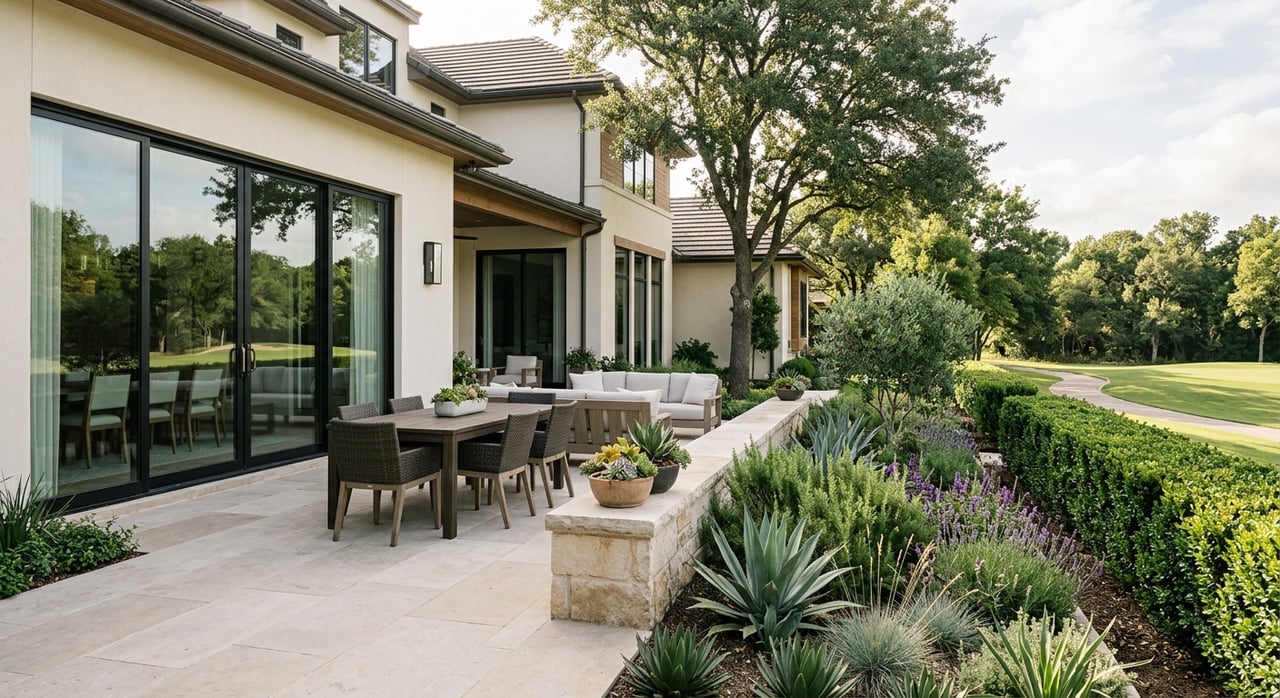
Ruby Hill is more than a neighborhood next to a golf course. It is a gated, HOA-governed luxury community in Pleasanton’s Livermore Valley wine country with about 850 homes, established in 1993, and supported by 24/7 security and after-hours assistance.
That structure shapes daily life in a real way. You are not just buying a house. You are buying into a setting with organized governance, design standards, security systems, and a strong community identity.
For many buyers, that is exactly the appeal. Ruby Hill offers a combination of scenery, privacy, and a club-centered environment that feels more curated than a typical suburban subdivision.
The Club at Ruby Hill is central to the community’s identity. It sits on about 225 acres in the hills near Pleasanton and features a Jack Nicklaus Signature design with five sets of tees and a layout measuring about 7,400 yards from the back tees.
The course experience is shaped by strategic contours, natural oaks, water features, and vineyard-lined views. If you are a golfer, that mix can be a big part of the value proposition.
The clubhouse adds to that experience. The club describes a 32,000-square-foot villa-style clubhouse overlooking the 18th green, which helps reinforce the resort-like atmosphere many buyers are looking for.
One of the biggest misconceptions about Ruby Hill is that it is only for serious golfers. In reality, the amenity package is broader and better suited to a range of lifestyles.
Current club materials list a full practice facility, a recently renovated fitness center, lighted tennis courts, a heated Jr. Olympic-size pool, bocce courts, a clubhouse, and two on-site restaurants, Jack’s Grill and The Reserve. The club also highlights member-guest tournaments, family clinics, social events, and year-round programming.
That matters if you want a community where your lifestyle is not tied to one activity. You may love the idea of golf, but still care just as much about fitness, dining, pool time, tennis, or social events throughout the year.
The club has also continued to invest in its facilities. Arcis Golf says it completed a $2+ million renovation and expansion of the club’s 2,600-square-foot fitness center in late 2024, which signals ongoing attention to the member experience.
This is one of the most important points for buyers to understand. Club membership should not be assumed to come with the purchase of a home.
Public club information shows that Ruby Hill offers multiple membership categories rather than one automatic package tied to ownership. The club also states that members come from communities across the Bay Area, so membership is not limited to Ruby Hill residents.
In practical terms, that means you should treat the home purchase and the club membership as related but separate decisions. If the club lifestyle is a big reason you are moving here, it is worth confirming the current membership options and what each level includes.
Based on public club pages, the options include:
If you travel often, the club also promotes an Arcis Access program with reciprocal privileges across a wider network of clubs. For some buyers, that adds value beyond the immediate neighborhood.
Ruby Hill is not a one-style or one-size community. Its housing stock includes early production homes, Villas, and custom estates, which creates more variety than many buyers expect.
A 2007 neighborhood profile described the community as having 850 residential lots. It noted that the first 200 homes were built as Premia and Ascona models in the roughly 2,200- to 4,000-square-foot range, with townhouse-style Villas up to about 4,000 square feet, while much of the rest of the community was largely custom-built.
That variety matters when you compare homes. Two properties in Ruby Hill can offer very different experiences depending on lot size, view corridor, architectural style, and whether the home is an earlier model or a later custom build.
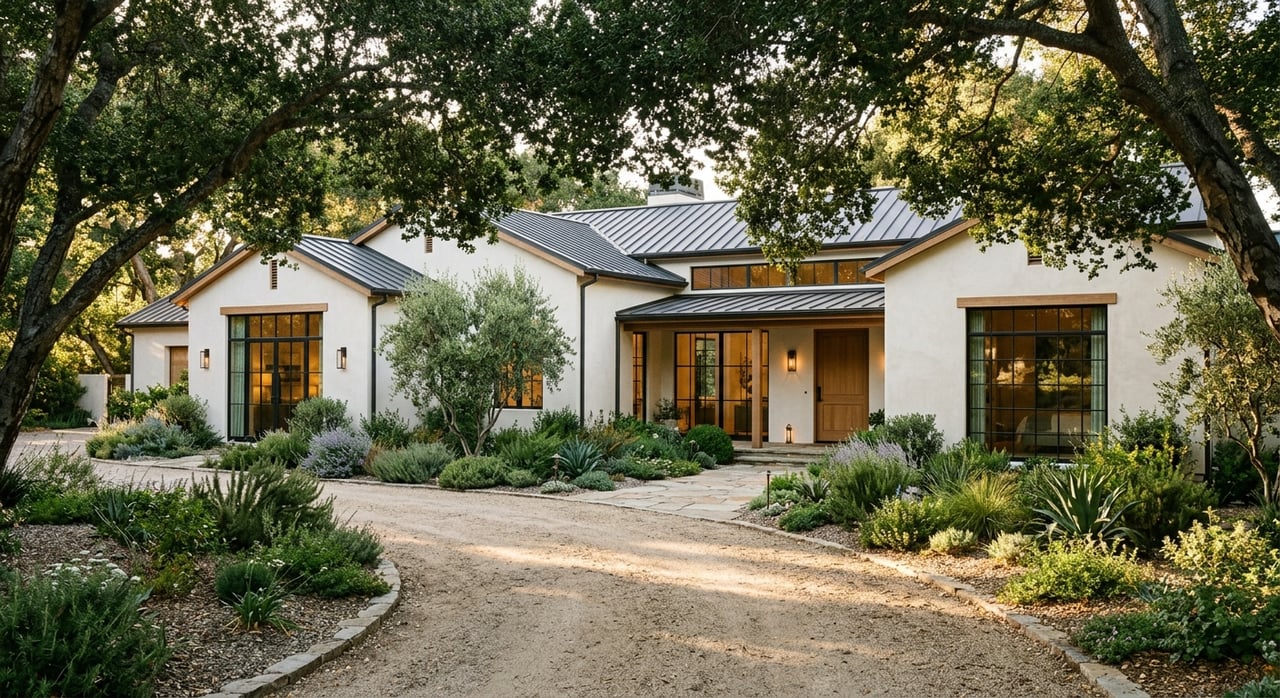
Ruby Hill’s visual identity is intentionally cohesive. Pleasanton planning documents describe architectural styles in the area that include English Country, French Country, Mediterranean, Monterey/Spanish, and contemporary interpretations.
Common features include pitched roofs, courtyards, hidden garages, chimneys, balconies, decorative entries, divided casement windows, and materials such as stone, brick, stucco, and timber. Earth-tone colors also help create a consistent wine-country feel.
For buyers, that consistency can be a major advantage. It helps preserve the neighborhood’s overall look and supports the polished streetscape that many people want in a luxury gated community.
Market commentary from local brokerage guides generally describes the custom-home section as having half-acre-or-larger lots, with some parcels approaching or exceeding one acre. Still, that should be treated as general market guidance rather than a fixed standard for every property.
The key takeaway is simple: Ruby Hill is mature, mostly built out, and varied. Your experience will depend heavily on the specific section of the community and the individual property you choose.
Ruby Hill is not a low-touch neighborhood. The HOA plays an active role in the ownership experience, and that is something to understand early.
The community provides access to governing documents, board meetings, security contacts, and design-related resources. City records also note that the first edition of the Ruby Hill Architectural Design Guidelines was approved in 1992, with later modifications in 1995 and 2000.
This kind of oversight can be a positive if you value order and consistency. It helps support the disciplined appearance of the neighborhood and protects the curated feel that attracts many buyers in the first place.
If you are the type of buyer who likes to personalize a property, this is especially important. Ruby Hill’s architectural review process appears to carry meaningful authority over visible exterior changes.
A 2013 Pleasanton article about a planning dispute showed that issues like paint color, garage-door design, column height, and gazebo height were all treated as guideline matters. In other words, even changes that may seem minor can be subject to review.
That does not mean the process is a negative. It means you should go in with clear expectations. If you are considering additions, visible remodels, or landscape changes, you will want to understand approval requirements before you buy.
Ruby Hill often appeals to buyers who want a private, amenity-rich setting with a strong sense of neighborhood identity. The combination of golf, dining, fitness, pool, tennis, bocce, social programming, scenic views, and security creates a lifestyle package rather than just a home search target.
It can be a strong fit if you appreciate a more structured ownership experience and see club participation as part of the appeal. Buyers who want maximum flexibility with minimal rules may feel differently, so the fit really comes down to priorities.
Pleasanton’s broader lifestyle also adds to the picture. City materials highlight historic downtown, shopping, recreation, and regional access along the I-680 corridor, which can be attractive whether your move is golf-driven, lifestyle-driven, or both.
A Ruby Hill purchase deserves more than a standard showing and disclosure review. Because the lifestyle here is so tied to the club and the HOA, it helps to ask focused questions early.
Here are a few smart ones to keep in mind:
The clearer you are about your lifestyle priorities, the easier it becomes to separate a good home from the right home.
In a community like Ruby Hill, details matter. Membership structure, housing type, design rules, and neighborhood layout can all affect whether a home truly matches how you want to live.
That is where local, neighborhood-level guidance becomes valuable. When you understand not just the property, but also the systems and lifestyle around it, you can make a much more confident decision.
If you are exploring Ruby Hill or comparing it with other luxury communities in Pleasanton and the Tri-Valley, McGuire Olson Real Estate can help you evaluate the options with local insight and a concierge-level approach.
McGuire Olson Real Estate are responsive, enthusiastic, and professional. They have built a solid reputation and a vast network of local connections to aid and assist their clients in every aspect of their transactions.
Tim McGuire | CA DRE# 01349446
[email protected]
Lori Olson | CA DRE# 02004247
[email protected]
925.517.MORE (6673)
900 Main St STE #101 Pleasanton CA 94566