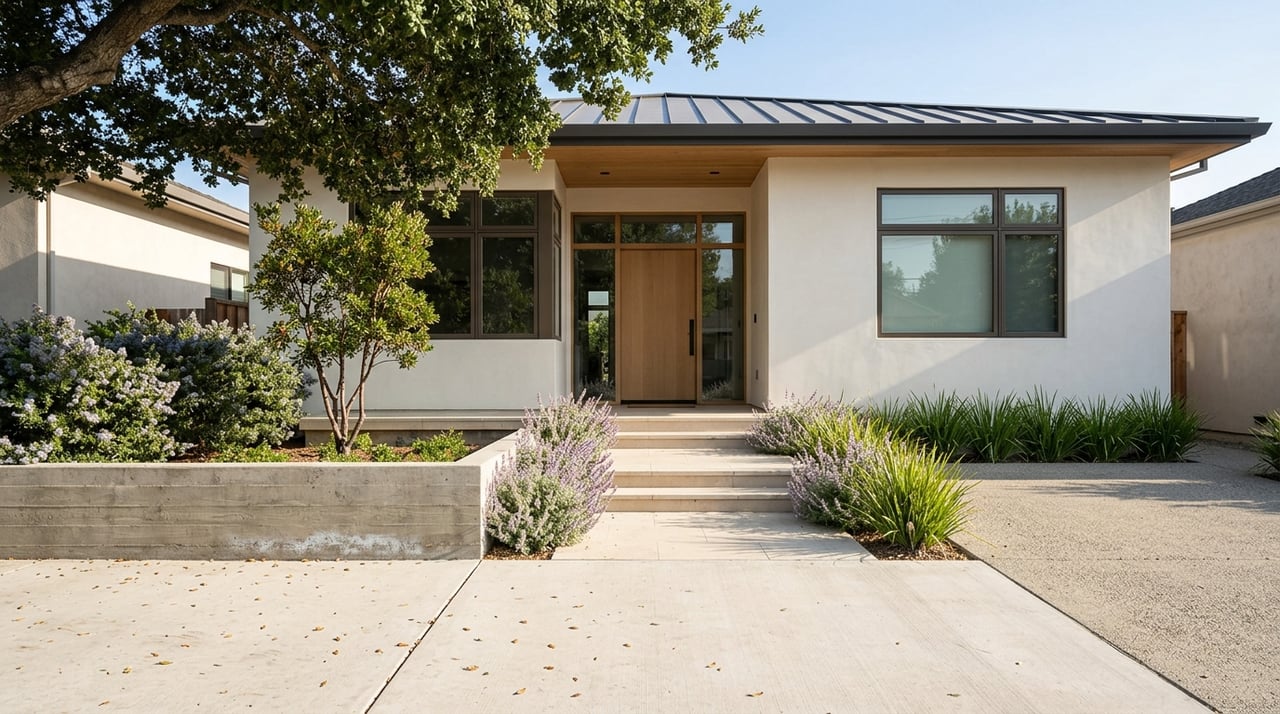
Comparing San Ramon Master Planned Communities
If you are searching for a neighborhood in San Ramon, you have probably noticed that not all communities feel the same. Some areas were built as large, coordinated plans with parks, trails, and shared amenities woven into the layout, while others grew more gradually over time. This guide will help you understand San Ramon’s main master-planned communities, how they differ, and what to look for as you compare options. Let’s dive in.
In San Ramon, master-planned housing is concentrated in a few major planning areas instead of being spread evenly across the city. The biggest example is Dougherty Valley, which the city describes as a master-planned community of about 11,000 units approved in 1994 and built with roads, sidewalks, parks, trails, bridges, open space, water-quality and detention ponds, and community facilities.
That coordinated approach matters when you tour homes. In a master-planned area, you are often evaluating more than the house itself. You are also looking at how the neighborhood connects to parks, trails, open space, and HOA-managed common areas.
San Ramon also has other planned districts with a different feel. The Preserve is a more compact planned neighborhood in the Northwest Specific Plan area, while Bishop Ranch and City Center form a mixed-use district with housing, retail, dining, entertainment, and long-term residential growth through the CityWalk plan.
Dougherty Valley is the best-known master-planned area in San Ramon. It includes the two main subareas of Gale Ranch and Windemere Ranch, which are often discussed as if they are separate places even though both sit within the larger Dougherty Valley planning framework.
The area was designed for a mix of housing types. County planning materials call for detached homes, attached homes, and rental housing, along with retail, recreation, and open space. About 55% of the land area was set aside as open space, which helps explain why trails, hillsides, and preserved land are such a visible part of the area.
For many buyers, Dougherty Valley stands out because the infrastructure feels intentional and cohesive. Streets, sidewalks, parks, and common areas were planned together, and that tends to create a more unified neighborhood experience than you may find in older parts of the city.
Gale Ranch and Windemere are not interchangeable names, but they are closely related. Gale Ranch is one of the main Dougherty Valley subareas, and Windemere Ranch is the other.
At the neighborhood level, both areas are highly segmented. The city’s HOA GIS legend shows a long list of associations in Gale Ranch, including Bridges of Gale Ranch, Communities of Gale Ranch, Capella at Gale Ranch, Carmelita at Gale Ranch, Falcon Bridge at Gale Ranch, Portola at Gale Ranch, Trevari at Gale Ranch, Veranda of Gale Ranch, Vestrella at Gale Ranch, and Wisteria of Gale Ranch. Windemere includes associations such as Canadoro at Windemere, Chambray, Fioli Windemere, Shelbourne at Windemere, and Wyngate at Windemere.
This matters because two homes with the same broad San Ramon address can sit in very different HOA structures and neighborhood settings. When you compare homes here, it helps to look beyond the umbrella name and focus on the specific subdivision, amenities, and layout.
Amenities are a big reason many buyers start their San Ramon search in Dougherty Valley. City-run facilities in and around the area include Windemere Ranch School Park, Gale Ranch Middle School Park, Six Pillars Park, and Tassajara Ridge Staging Area.
Trail access is also part of the lifestyle appeal. Public access points include Windemere Ridge Trail, Rolling Hills Trail, and Hidden Valley Ridge Trail, and the city’s open-space resources describe the Windemere Ranch Preserve as preserved habitat and grazing open space.
If outdoor access is high on your list, this area offers a strong case. San Ramon’s broader trail network is also extensive, with the city’s Trails Master Plan page noting 46 miles of public trails, 18 miles of access roads, and 14 miles of non-city trails.
Dog owners may also appreciate the nearby options. The city maintains dog parks including Tassajara Ridge on Windemere Parkway and Bark and Ride in the Windemere area.
Dougherty Valley often appeals to buyers who want newer infrastructure, HOA-managed common areas, and easy access to parks and trails. That is a practical takeaway from the city’s planning documents, amenities inventory, and HOA mapping.
It can also work well if you want a neighborhood where housing, open space, and civic amenities feel closely connected. In east San Ramon, resources like the Dougherty Station Community Arts Center and Dougherty Station Library also help the area function as more than just a collection of subdivisions.
If you want a planned neighborhood feel but prefer something more compact, The Preserve deserves a closer look. Formerly known as Faria Preserve, it sits in the Northwest Specific Plan area and occupies about 286.5 acres of a 354-acre area.
The project was originally approved for 740 units and later amended to allow a maximum of 618 residential units. The city describes the housing mix as single-family homes, townhomes, condominiums, and senior apartments, along with a community park, open space, and civic sites.
The Preserve also includes Faria Preserve Parkway, which connects Purdue Road to Bollinger Canyon Road. For buyers, that gives the area a clear identity as a planned pocket rather than a single isolated subdivision.
The Preserve blends housing and open space in a more compact setting than Dougherty Valley. If you like the idea of a planned community but do not necessarily want one of San Ramon’s largest neighborhood clusters, this area offers a different scale.
A major amenity here is Sunrise Ridge Park. The city describes it as a 12-acre park with lighted turf soccer and lacrosse fields, baseball and softball fields, basketball, bocce, tennis, a playground, picnic areas, a rose garden, a walking path, restrooms, and valley views.
That park presence helps shape the feel of the neighborhood. In The Preserve, open space appears to be part of the day-to-day housing experience, not just something nearby on a map.
Not every planned area in San Ramon looks like a traditional suburban neighborhood. Bishop Ranch, City Center, and the CityWalk planning area represent a mixed-use district with a more urban feel.
City Center Bishop Ranch includes 300,000 square feet of retail, dining, and entertainment, anchored by THE LOT and Equinox. The CityWalk Master Plan covers about 134.98 acres in portions of the City Center Mixed Use area and allows for up to 4,500 multifamily units, along with a hotel, added retail, parking, and recreation amenities over a 20- to 30-year horizon.
For buyers comparing San Ramon lifestyles, this is an important distinction. If your priority is proximity to shops, dining, fitness, entertainment, and employment centers, Bishop Ranch and City Center offer a very different experience from Gale Ranch, Windemere, or The Preserve.
This district may appeal to you if you want a more walkable, mixed-use setting. Instead of centering your search around large tracts of detached housing, you may be looking for a neighborhood experience shaped by nearby retail, multifamily housing, and activity throughout the day.
It is also the most retail-oriented of San Ramon’s planned areas. If that is a top priority for your move, it deserves to be part of your search from the start.
To understand San Ramon’s master-planned communities, it helps to compare them with the city’s older neighborhoods. The General Plan describes Southern San Ramon as primarily single-family homes on roughly 6,500- to 10,000-square-foot parcels with mature landscaping.
The same area also includes established recreation assets such as Athan Downs, Boone Acres, the San Ramon Golf Club, and the Alcosta Senior and Community Center. That gives older parts of San Ramon a different character than the newer planned districts.
In practical terms, older neighborhoods may feel less uniform and more shaped by incremental development over time. Master-planned communities often feel more coordinated because homes, roads, parks, trails, and community facilities were designed together.
Another key difference is HOA structure. Planned pockets often involve more HOA layers and shared common-area upkeep, while older neighborhoods may follow a more traditional lot-and-street pattern.
As you narrow your search, it helps to compare more than price and square footage. In San Ramon’s planned areas, the surrounding framework can influence your day-to-day experience just as much as the home itself.
Here are a few smart things to evaluate:
You can also use public city resources to verify what is nearby. San Ramon’s parks map, trail map, and HOA GIS legend are especially useful when you want a clearer picture of a neighborhood’s layout and amenities.
The best San Ramon master-planned community depends on what you want your daily life to look like. If you want a large-scale planned setting with extensive parks, trails, open space, and many neighborhood associations to compare, Dougherty Valley is usually the starting point.
If you prefer a newer-planned area with a more compact footprint and a strong park presence, The Preserve may feel more manageable and focused. If your lifestyle centers on walkable retail, dining, fitness, and a more urban mixed-use environment, Bishop Ranch and City Center stand apart.
The key is to match the neighborhood structure to your priorities. Once you understand how San Ramon’s planned areas are organized, it becomes much easier to spot which communities fit your goals and which ones may not.
If you want help comparing San Ramon neighborhoods at the subdivision level, McGuire Olson Real Estate can help you narrow the options and make a confident move.


McGuire Olson Real Estate are responsive, enthusiastic, and professional. They have built a solid reputation and a vast network of local connections to aid and assist their clients in every aspect of their transactions.
Tim McGuire | CA DRE# 01349446
[email protected]
Lori Olson | CA DRE# 02004247
[email protected]
925.517.MORE (6673)
900 Main St STE #101 Pleasanton CA 94566