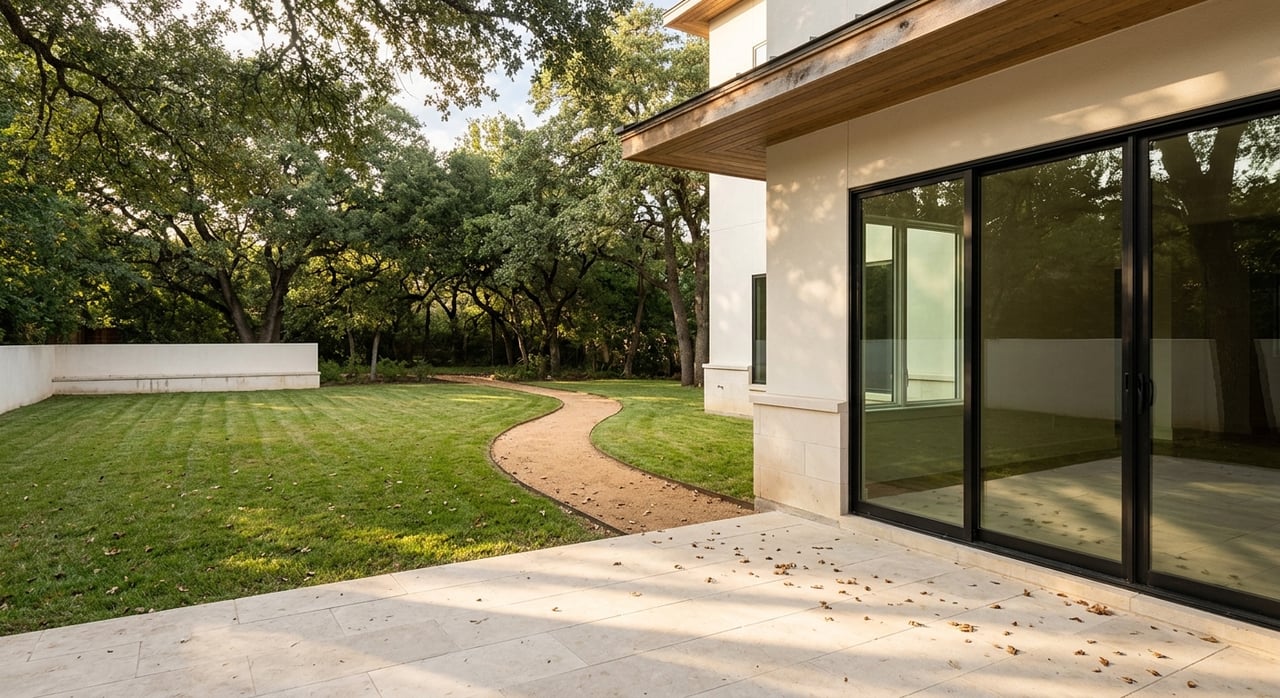
Danville vs Alamo Homes: Find the Right Fit for You
Choosing between Danville and Alamo can feel tricky because on paper, they sit side by side in the San Ramon Valley. But once you look at how each place shapes your daily routine, the differences become clearer. If you are trying to decide where you will feel more at home, this guide will help you compare lifestyle, housing, trails, and commute patterns so you can move forward with more confidence. Let’s dive in.
Danville and Alamo are neighboring communities, but they are structured differently. Danville is an incorporated town with its own planning framework and a defined historic downtown. Alamo is an unincorporated Contra Costa County community served through the county’s Alamo Municipal Advisory Council.
That difference matters in everyday life. Danville tends to feel more town-centered, while Alamo tends to feel more residential and landscape-oriented. Neither is better across the board. The right choice depends on how you want your days to look.
Danville’s official community profile points to a historic downtown with shops, restaurants, art galleries, and recurring events. Farmers' markets, street fairs, and holiday celebrations all add to that central gathering-place feel. If you like the idea of having a recognizable town core, Danville offers that more clearly.
For many buyers, this changes how errands and free time feel. You may find it easier to combine a coffee run, a meal out, and a stroll through downtown in one trip. That can create a stronger sense of routine around a central area.
A defined downtown can shape more than convenience. It can also affect how connected you feel to the community day to day. Danville’s layout supports that kind of regular activity around one main hub.
If your ideal weekend includes walking around a central district, browsing local shops, or attending seasonal community events, Danville may line up more naturally with that preference. The town’s official materials make that identity easy to see.
Alamo offers a different rhythm. County planning materials describe its major commercial center around Danville Boulevard and Stone Valley Road, where you will find shopping centers, office buildings, civic uses, and housing. Rather than a classic downtown, conveniences are more spread along key roads.
That can appeal to buyers who want a more residential setting. Your routine may feel quieter and more home-focused, with errands built around driving corridors instead of gathering in a central district. For some people, that feels more relaxed and private.
County planning documents repeatedly describe Alamo in a way that suggests a landscape-oriented setting. The emphasis is less on a single town core and more on neighborhoods, larger lots, and access along main roads. If you want your home environment to feel more removed from a busy center, Alamo may stand out.
This can be especially important if you value space, a lower-density feel, or a setting where home and outdoor surroundings take center stage. Alamo’s identity leans in that direction.
One of the biggest differences between Danville and Alamo is the housing mix. Danville offers a broader range of home types. According to the town’s housing information and Housing Element, its housing stock includes single-family residences, townhomes, condominiums, apartments, and a small share of mobile homes.
The 2020 housing stock breakdown reported in Danville’s 2023 to 2031 Housing Element included 75.7% single-family detached homes, 18.0% single-family attached homes, 1.0% multifamily with 2 to 4 units, 5.1% multifamily with 5 or more units, and 0.2% mobile homes. In practical terms, that means buyers in Danville may have more flexibility across price points, property styles, and maintenance needs.
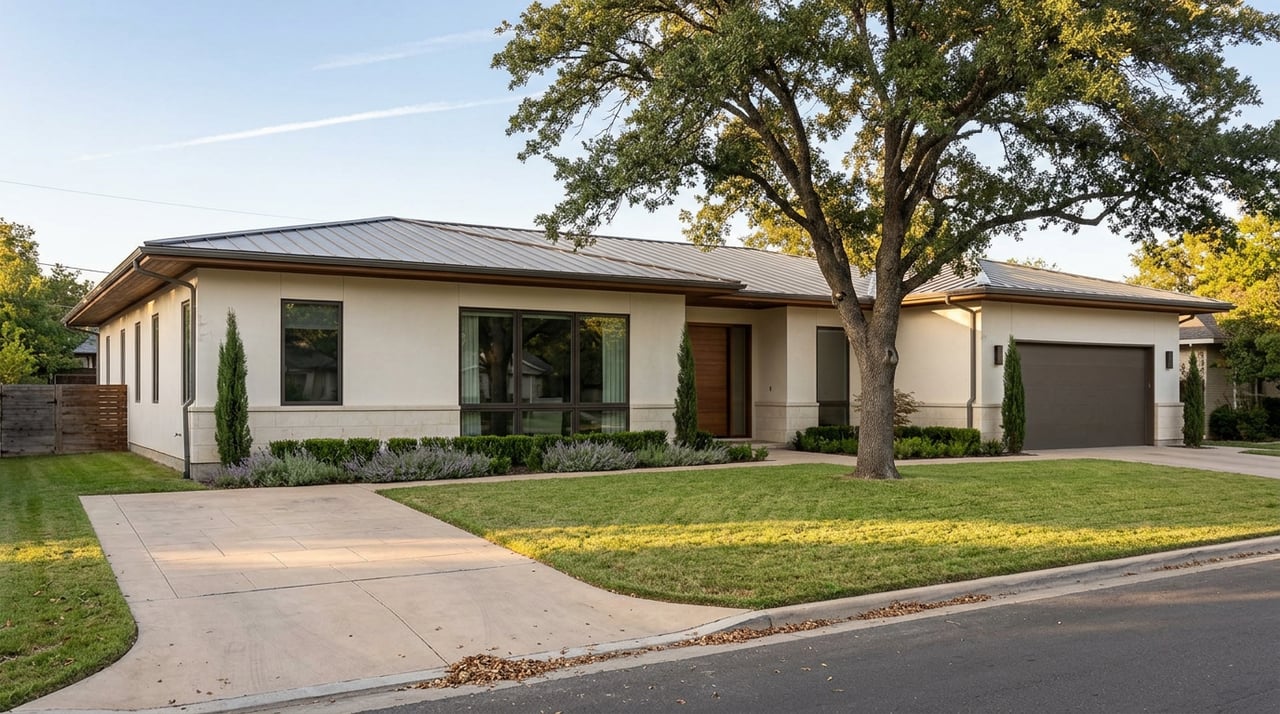
County planning documents for the Alamo and Castle Hill area describe Alamo as mostly single-family ranch-style homes on relatively large lots, along with estates on large rural tracts. Some multi-family housing is noted along Danville Boulevard, but the overall pattern is lower-density residential living.
County materials also reference very low-density categories such as R-40, R-65, and R-100, along with a zoning-code minimum lot size of 20,000 square feet in parts of Alamo’s review history. While every property is unique, the broad takeaway is clear: Alamo more often aligns with larger-lot, single-family living.
If you want more choices in housing type, Danville usually gives you a wider lane. That can matter if you are deciding between a detached home, a townhome, or a lower-maintenance option. It can also matter if you are moving into the area and want more flexibility in your search.
If you picture a larger lot and a more traditional single-family setting, Alamo may be the stronger fit. Buyers often gravitate there when lot size and a lower-density feel are high on the list.
Both Danville and Alamo support an active outdoor lifestyle, but they do it a little differently. Danville borders several East Bay Regional Park District open-space and trail systems, including the Iron Horse Trail, Las Trampas Regional Wilderness, Sycamore Valley Open Space Preserve, and Sherburne Hills Open Space Preserve.
The town also states that it maintains much of the landscaping and trail systems along corridors such as Sycamore Valley Road and Camino Tassajara, while the Iron Horse Trail corridor itself is managed by the East Bay Regional Park District. That makes Danville’s outdoor network feel more visibly tied into the town itself.
In Danville, trail access can feel like part of the town’s everyday identity. With the Iron Horse Trail and nearby preserves connected to well-known local corridors, outdoor recreation is woven into regular movement through the community. For buyers who want a mix of town life and trail access, this combination can be appealing.
You may be able to blend a walk, a bike ride, or open-space time into a day that also includes errands or downtown stops. That adds to Danville’s more connected feel.
Alamo also offers direct trail access. Contra Costa County identifies Hemme Station Park as an Iron Horse Trail access point, and county corridor maps show the trail segment running from Stone Valley Road in Alamo to Sycamore Valley Road in Danville.
The difference is not whether outdoor access exists. It is how that access feels in context. In Alamo, trails may feel more park- and corridor-based than tied to a downtown environment, which fits the area’s quieter residential character.
If your schedule involves commuting, Danville and Alamo present slightly different setups. Danville has the Sycamore Valley Road Park & Ride at the I-680 and Sycamore Valley interchange. According to the town, it offers roughly 240 spaces, a County Connection stop, and routes that connect to BART and ACE.
Danville’s transit information also points commuters toward Walnut Creek and Dublin/Pleasanton BART and ACE service. That gives Danville a more explicit park-and-ride and transit toolkit. For some buyers, that added structure can be a meaningful convenience.
In Alamo, county project documents identify access to I-680 via Stone Valley Road or El Cerro Boulevard. That points to a commute story that is more road-access driven. If you primarily expect to drive, this may feel straightforward and familiar.
The choice comes down to what kind of support you want for your routine. Danville may be more appealing if you want an easier path to park-and-ride and transit connections. Alamo may feel just right if your day is mostly built around direct freeway access by car.
When you compare these two communities, the best move is to focus on your daily rhythm instead of just the map. Ask yourself where you want to run errands, what kind of home setup feels comfortable, and how much value you place on transit options versus a quieter residential setting.
Here is a simple way to frame it:
Both communities offer attractive lifestyles in the San Ramon Valley. The better fit is the one that matches how you want to live every day, not just where you want to live on paper.
If you are weighing Danville against Alamo and want guidance tailored to your priorities, the team at McGuire Olson Real Estate can help you compare neighborhoods, housing options, and lifestyle fit with a local, high-touch approach.


McGuire Olson Real Estate are responsive, enthusiastic, and professional. They have built a solid reputation and a vast network of local connections to aid and assist their clients in every aspect of their transactions.
Tim McGuire | CA DRE# 01349446
[email protected]
Lori Olson | CA DRE# 02004247
[email protected]
925.517.MORE (6673)
900 Main St STE #101 Pleasanton CA 94566